Post-COVID Heart Health: Simple Ways to Rebuild Your Cardiovascular Strength
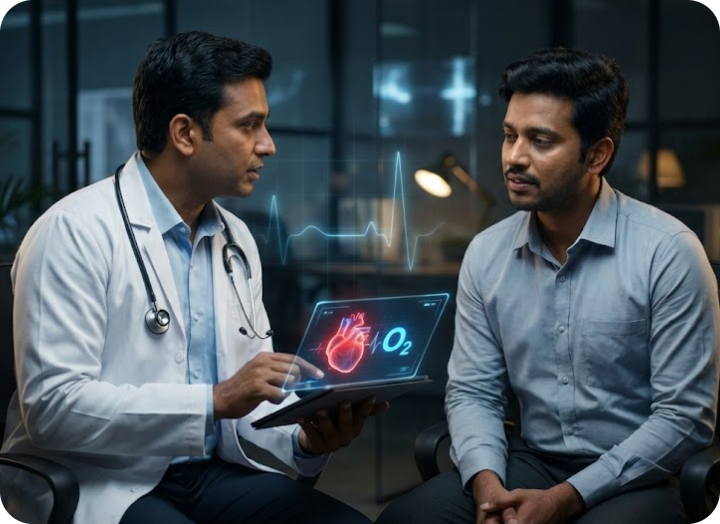
Recovering from COVID-19 is a major milestone — but for many, the journey doesn’t end there. The virus is known to affect the heart and cardiovascular system, even in people who had mild symptoms. Whether it’s fatigue, shortness of breath, or irregular heartbeats, these lingering effects highlight the need to focus on post-COVID heart health.
This guide will help you understand how COVID-19 impacts the heart and what you can do to restore cardiovascular strength safely and effectively.
❤️ How COVID-19 Affects the Heart
COVID-19 can cause inflammation in the heart muscle (myocarditis) or damage to the lining of blood vessels. This inflammation can make your heart work harder, leading to:
Irregular heart rhythms (arrhythmia)
Shortness of breath and fatigue
Chest discomfort or tightness
Increased risk of blood clots and stroke
Even after recovery, many people report feeling less energetic or notice that their stamina has decreased. This is your heart’s way of signaling that it needs gentle care and rehabilitation.
🩺 Post-COVID Symptoms You Should Watch For
If you’ve recovered from COVID-19 but experience any of these symptoms, consult a doctor:
Persistent fatigue or weakness
Chest pain or pressure
Dizziness or fainting spells
Palpitations or rapid heartbeat
Swelling in legs or ankles
Early intervention can prevent long-term heart complications and help you rebuild heart strength safely.
💪 Tips to Rebuild Cardiovascular Health After COVID
The good news is that most people can gradually regain their heart health with the right approach. Here are a few proven strategies:
Start Slow with Physical Activity
Begin with light activities like walking or stretching.
Increase your intensity slowly under medical supervision.
Avoid overexertion — listen to your body’s signals.
Adopt a Heart-Healthy Diet
Eat more fruits, vegetables, whole grains, and lean proteins.
Limit salt, sugar, and saturated fats.
Stay hydrated and avoid alcohol or smoking.
Manage Stress and Sleep Well
COVID-19 recovery can affect mental health too.
Practice mindfulness, yoga, or breathing exercises to reduce stress.
Aim for 7–8 hours of sleep to help your body recover naturally.
Monitor Your Vitals Regularly
Keep track of your blood pressure, heart rate, and oxygen levels.
Schedule routine heart check-ups to detect early issues.
Stay Connected to Healthcare Support
Join wellness programs focused on cardiac recovery and fitness.
Take part in teleconsultations if in-person visits aren’t possible.
These small but consistent steps can make a big difference in rebuilding your cardiovascular strength and preventing future complications.
🌿 Nizcare: Supporting Heart Health and Post-COVID Recovery
At Nizcare, we believe prevention and guidance are the keys to long-term wellness. Our platform connects individuals, corporates, and healthcare providers to promote holistic health and recovery through:
Personalized wellness programs for heart health and fitness
Preventive health check-ups and early risk detection
Corporate wellness initiatives for healthier workplaces
We guide individuals on their journey toward better health through education, engagement, and preventive care.
.